Which hand conditions?
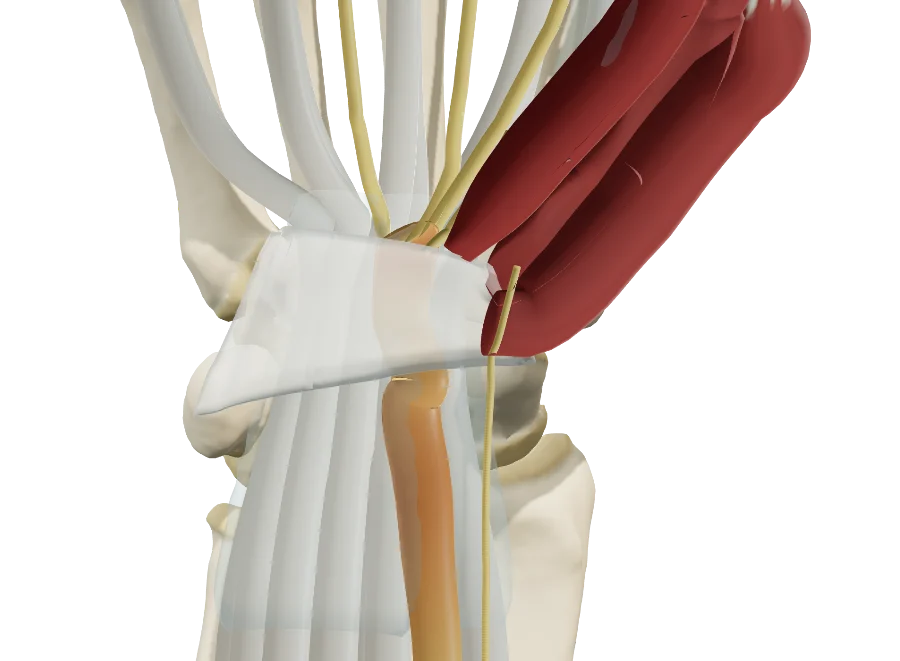
Carpal tunnel syndrome to begin with, with its reference classification (Lanz, for median nerve variants). More hand models join the catalog.
Can the wrist be moved?
Yes: the wrist anatomy supports flexion and extension from −60° to 60°. The tunnel pressure, read on the model, follows the movement (Gelberman 1981).
Are the models free?
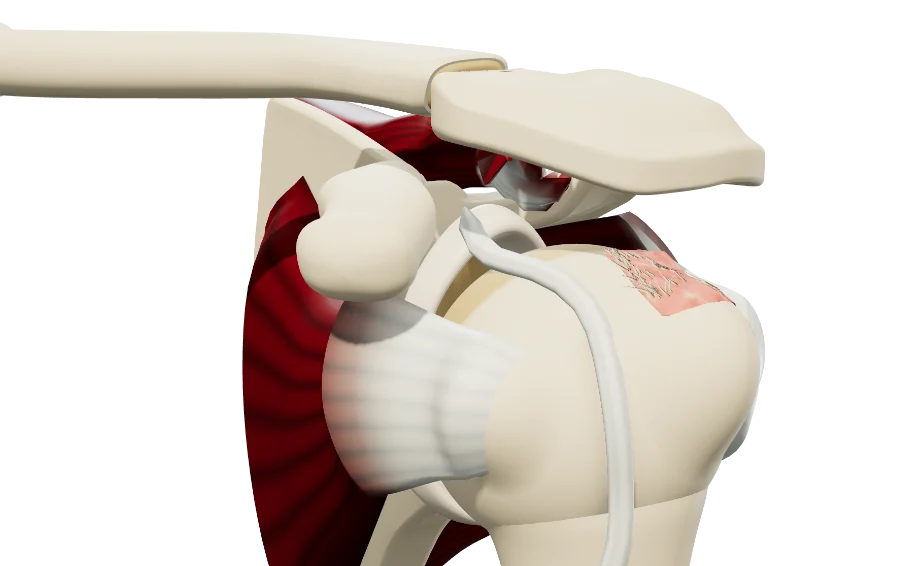
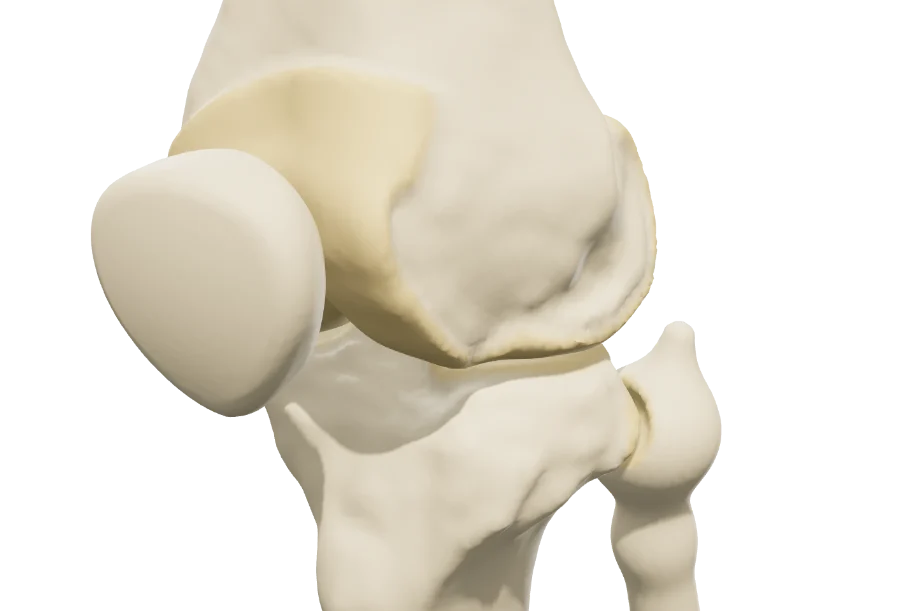
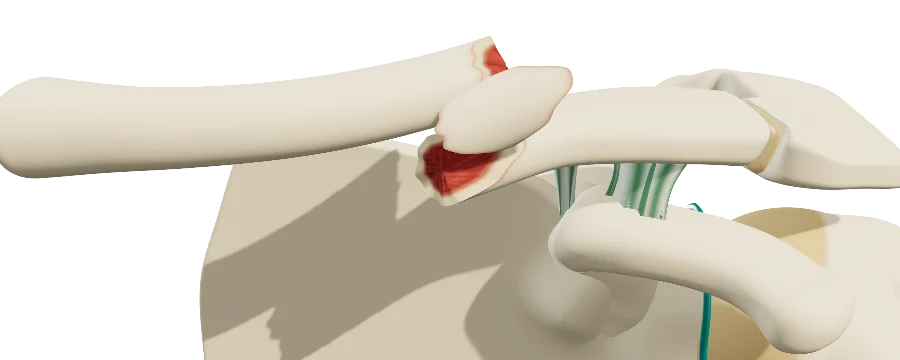
Yes: the free plan opens every model, to show patients their diagnosis: most conditions and lesions. Treatments and other features are paid options.
Do I need an account?
Not to open a model, set the lesion and walk through the treatment. After about fifteen adjustments, you will be asked to create a free account: it saves your visits, picks them up from one time to the next, and records when the patient opens the link.
What equipment do I need?
Just a web browser, nothing to install: computer, tablet or TV screen in the exam room; the patient opens it on their phone. One click saves an image, without the interface, for the chart.
What happens to patient data?
No patient names are stored. The link given to the patient carries only the state of the model: lesion, treatment, language and visit date. A name written on the image you hand out stays on that image.
Which languages?
English, Spanish, French and Russian. The patient receives the model in the language chosen during the visit, which helps with the roughly 28 million people in the U.S. with limited English proficiency, alongside a qualified interpreter, not instead of one.